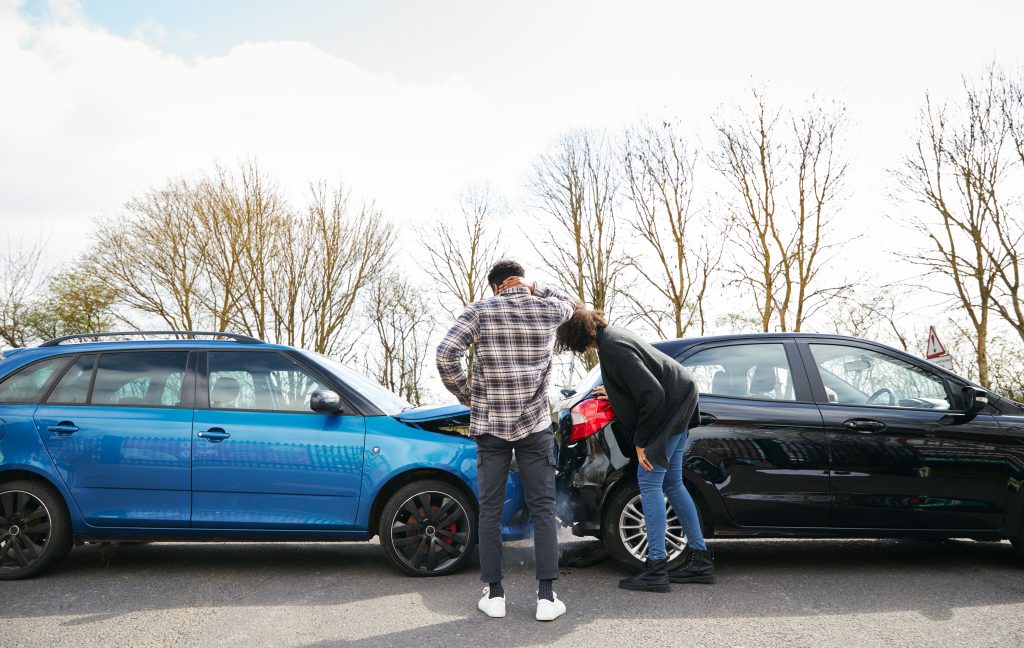
Parking lots may seem like “hazard-free zones,” but when accidents happen, liability can become complicated very quickly. Slips, falls, vehicle collisions, and pedestrian injuries occur more often than many property owners realize. In fact, over 20% of car accidents actually happen in parking lots. Understanding liability for parking lot accidents is essential for property owners and managers. While every situation is different, there are clear responsibilities that owners are expected to meet. Failing to do so can result in costly claims, legal disputes, and damage to a property’s reputation.
The Concept of Premises Liability
Most parking lot accidents fall under the legal concept of premises liability. In simple terms, this means that property owners have a duty to maintain reasonably safe conditions for people who are legally on their property. This includes customers, tenants, employees, and visitors.
If someone is injured due to an issue the owner knew about, or should have known about, the owner may be held liable. The key factor is whether reasonable care was taken to prevent foreseeable risks.
Common Causes of Parking Lot Accidents
Parking lot accidents occur for many reasons, but some causes are far more common than others. This can include uneven pavement, potholes, faded striping, poor or broken lighting, missing signage, and slippery pavement caused by oil, ice, or standing water.
In many cases, these hazards develop gradually. A crack expands into a pothole. Lines fade until traffic flow becomes unclear. A wheel stop shifts out of position. When these issues are ignored, the risk of accidents increases significantly.
Owner Responsibilities in Parking Lot Safety
Property owners can’t possibly prevent every accident, nor are they expected to, but they are responsible for addressing known hazards. This generally includes routine inspections, regular maintenance, and prompt repairs when problems arise.
Clear striping plays a crucial role in parking lot safety. Well-marked stalls, crosswalks, fire lanes, and signage guide pedestrians and drivers. When markings fade or disappear, confusion increases, and accidents become more likely.
Surface maintenance is equally important. Cracks, potholes, and uneven pavement can lead to trips, falls, and vehicle damage. Seasonal concerns, such as snow and ice removal, are also the owner’s responsibility. Failing to plow or apply de-icers properly can expose owners to liability if someone is injured.
Shared Liability and Third Parties
In some cases, liability may be shared. For example, a property owner may contract a maintenance company to handle snow removal or pavement repairs. If that work is done improperly, responsibility may be divided between the owner and the contractor.
Tenants may also bear partial responsibility in certain situations, particularly in multi-tenant properties where lease agreements outline maintenance duties. However, from a legal standpoint, injured parties often look first to the property owner, especially if ownership control over the lot is clear.
How Poor Maintenance Increases Liability
One of the biggest factors in liability cases is documentation. If an owner cannot show that reasonable steps were taken to maintain the lot, it becomes harder to defend against claims. A lack of inspection records, delayed repairs, or visible long-term neglect can all work against an owner.
For example, a faded crosswalk near a building entrance may not seem urgent. But if a pedestrian is struck by a vehicle in that area, the lack of visible markings can become a central issue. Similarly, a known pothole that remains unrepaired for months may constitute negligence if it causes injury or damage.
Preventive Maintenance as Risk Management
The most effective way to reduce liability is through preventative maintenance. Regular parking lot inspections allow property managers to address issues early, when they are easier and less expensive to deal with. Addressing small cracks before they become potholes and restriping before lines disappear entirely helps create a safer environment.
Preventive maintenance also demonstrates a commitment to safety. In the event of an incident, documented maintenance efforts can show that reasonable care was taken. This can make a significant difference in how claims are handled.
The Role of Professional Services
While some property owners attempt to manage maintenance internally, professional services offer a level of expertise and consistency that is difficult to match. Experienced contractors understand local codes, ADA requirements, and best practices for traffic flow and safety.
Professional striping ensures that fire lanes, accessible spaces, and pedestrian areas are clearly marked and compliant with regulations. Pavement maintenance services address surface issues that could otherwise lead to injuries. Working with professionals helps owners stay ahead of problems rather than reacting after an accident occurs.
At Otto’s Parking Marking, we work with property owners and managers to reduce risk through proactive maintenance. From routine restriping to crack filling and safety markings, our services are designed to support safer, more compliant parking environments.
What Property Owners Can Do Now
Owners and managers can take several steps immediately to reduce liability exposure. Scheduling regular lot inspections, keeping records of maintenance and repairs, and addressing issues promptly all make a meaningful difference.
It’s also important to evaluate whether current markings still meet the property’s needs. Changes in traffic patterns, tenant use, or local regulations may require updates to striping or signage. Staying proactive helps prevent accidents before they happen.
By investing in regular maintenance and working with experienced professionals, property owners can reduce the likelihood of accidents and demonstrate a strong commitment to safety.
Concerned about liability in your parking lot? Otto’s Parking Marking helps property owners reduce risk through professional striping, pavement maintenance, and safety solutions. Contact our team today to schedule an evaluation and keep your property safe, compliant, and well-maintained.