
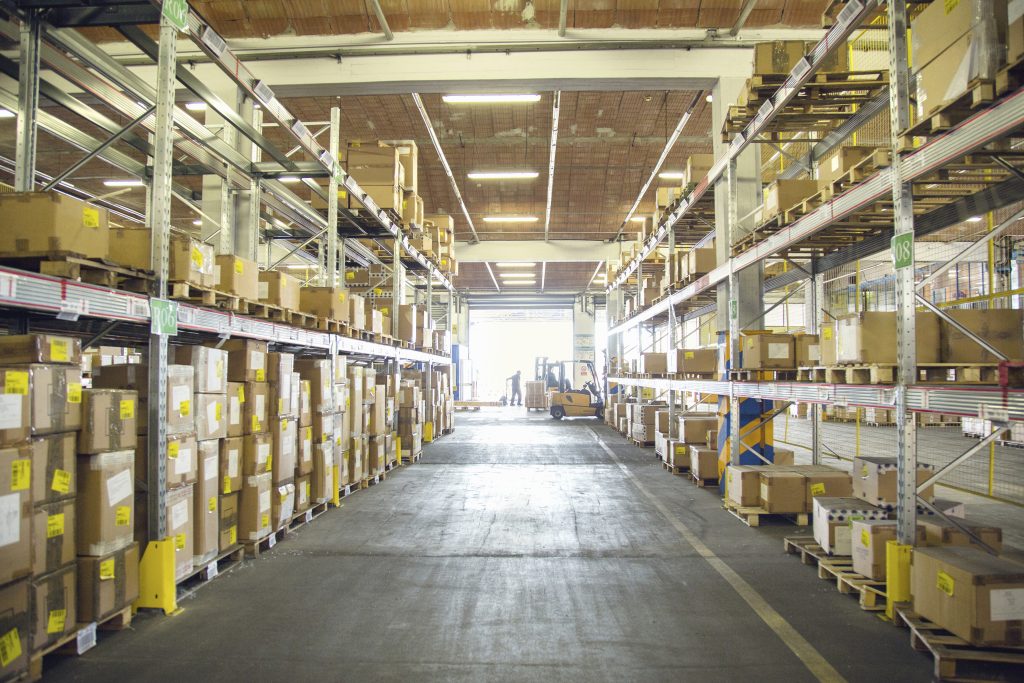
Warehouses move fast. Forklifts, pallet jacks, carts, and pedestrians often share the same space, and when traffic patterns are unclear, minor issues can escalate into serious safety risks. That is why warehouse floor striping is more than a finishing touch. It is a critical part of keeping operations organized, efficient, and prepared for safety expectations. Clear floor markings help reduce confusion, improve workflow, and create a safer environment for employees and visitors. They also support compliance efforts by visually reinforcing safe behavior, restricted areas, and designated pathways.
Why Floor Striping Matters in Warehouse Environments
A warehouse floor is constantly changing as inventory shifts, new equipment is added, and production needs change. Without clear striping, spaces can quickly become disorganized and hazardous.
Floor striping creates structure, even when work is constantly changing. It tells people where to walk, where equipment should travel, where materials should be staged, and where hazards exist. This reduces the risk of collisions, improves communication, and helps new employees understand the layout more quickly.
In many cases, striping also supports training. Visual cues are easier to follow than verbal instructions alone, especially in busy environments where distractions are common.
Safety Benefits: Reducing Collisions and Near Misses
One of the biggest reasons facilities invest in floor striping is safety. Warehouses often have a mix of foot traffic and powered industrial vehicles. When pedestrians and forklifts share space without clear separation, near misses become more likely.
Marked pedestrian lanes help keep walking routes predictable. Forklift travel lanes help equipment operators move efficiently without cutting through staging zones or blind areas. Stopping at bars and crossing points helps reduce sudden interactions between vehicles and pedestrians.
Striping can also highlight hazards such as low clearance areas, restricted access points, electrical panels, and emergency equipment locations. When hazards are clearly marked, employees are less likely to block or enter dangerous areas accidentally. OSHA creates some general requirements for floor markings and other safety features that business managers and property owners should follow to ensure compliance and safety.
Efficiency Benefits: Supporting Faster, Cleaner Operations
Floor markings can also improve productivity. A well-striped warehouse makes it easier to maintain organization, reduce wasted movement, and keep work areas clean.
When staging zones are clearly defined, materials are less likely to be stored in travel lanes, in front of doors, or in other less-than-convenient places. When aisle widths are consistent and marked, equipment and people can move without delays. Likewise, when loading and unloading zones are labeled, teams can work faster with fewer mistakes.
Over time, this structure supports smoother operations and helps facilities maintain a more professional appearance, especially when customers, vendors, or inspectors visit.
Planning for OSHA Readiness
Warehouse striping is often part of a larger safety plan. Many facilities use markings to support OSHA-related safety practices by reinforcing safe routes, identifying hazards, and keeping critical access points clear. While requirements vary by facility type, floor markings help demonstrate a proactive approach to workplace safety. They also support internal safety policies by making expectations visible and consistent. When paired with training and routine maintenance, striping helps facilities stay organized and inspection-ready throughout the year.
Color Consistency and Visual Clarity
Color matters in warehouse striping. Using consistent colors helps employees understand what each marking means without needing constant reminders.
For example, one color may be used for pedestrian lanes, another for forklift traffic, and another for hazard zones. The specific system should be standardized across the facility so that markings are easy to interpret.
Consistency is especially important for multi-shift operations. When different teams work in the same space, clear and predictable markings reduce confusion and support smoother handoffs.
Maintenance and Re-Striping
Warehouse floors see heavy wear with forklift traffic, pallet draping, and daily use. When floor striping becomes faded, they lose their effectiveness and can even create confusion if only parts of the lines remain visible.
Routine inspections help determine when restriping is needed. Many facilities schedule updates during slower periods or planned downtime to avoid disruption. Keeping markings fresh also reinforces a safety culture and supports the organization in the long term.
Common Mistakes That Reduce Results
Some striping projects fall short because the layout was not planned with real workflow in mind. Aisles may be too narrow, intersections may not be clearly controlled, or staging areas may be placed in ways that create bottlenecks.
Another common issue is using inconsistent colors or applying markings without a clear purpose. When employees see too many lines with unclear meaning, they stop paying attention.
The most effective striping plans are simple, consistent, and designed around how people and equipment actually move through the space.
Partnering With Experienced Professionals
Warehouse striping is most successful when it is approached strategically. A professional contractor can help assess traffic flow, identify safety concerns, and recommend a layout that supports both efficiency and risk reduction.
At Otto’s Parking Marking, we provide interior floor marking services designed for real working environments. Whether you need new striping, updated layouts, or clearer safety zones, our team delivers durable markings that help your facility operate with confidence. Contact our team today to schedule a consultation and create a layout that works for your facility.